When selecting a vinyl pool liner, one of the most critical decisions you’ll face is the thickness of the liner. The two most common options homeowners compare are 20 mil vs 27 mil vinyl liners. Both offer distinct benefits. Understanding the difference helps you pick the right one for your pool.
Whether you’re planning a new backyard swimming pool design or replacing an existing liner, choosing the right thickness matters for durability, fit, and long-term performance.
This guide breaks down 20 mil vs 27 mil vinyl pool liners, so you can choose the best option for your swimming pool in Toronto.
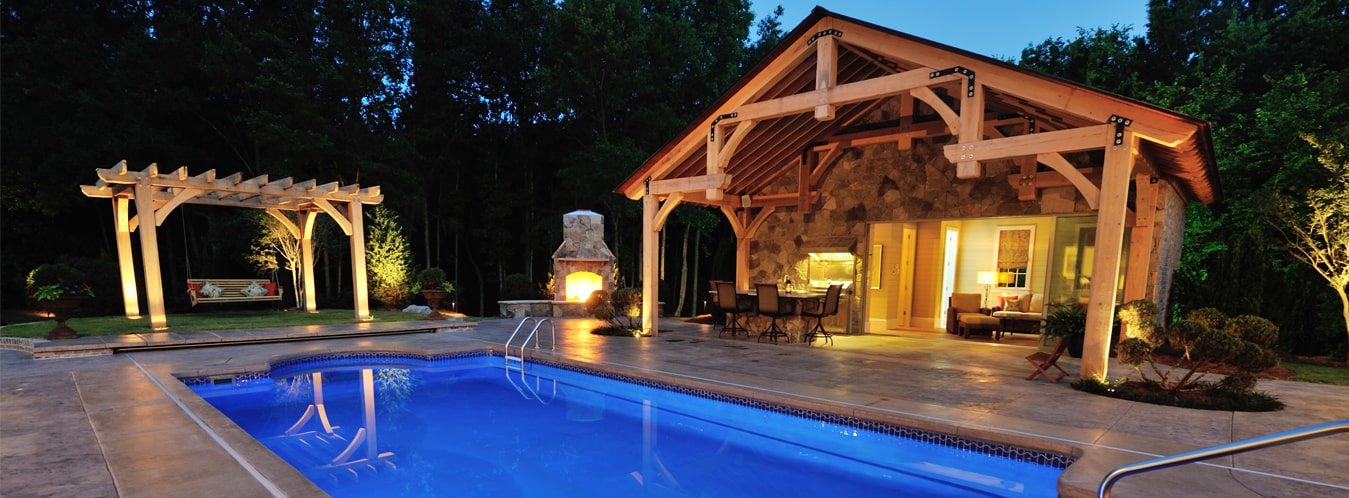
Vinyl Liner Thickness
What Does “Mil” Mean in Liner Thickness?
Direct Answer: A 20 mil vinyl pool liner is 0.020 inches thick, and a 27 mil liner is 0.027 inches thick — “mil” means one-thousandth of an inch. A 20 mil liner typically lasts 7 to 12 years. A 27 mil liner typically lasts 12 to 15 years or longer with proper care.
In the pool industry, “mil” refers to thickness. One mil equals one-thousandth of an inch. That extra 7 mils between a 20 mil and 27 mil liner can meaningfully change how the liner performs and how long it lasts.
20 Mil vs 27 Mil: Quick Comparison
Here’s the 20 vs 27 mil comparison at a glance:
| Factor | 20 Mil | 27 Mil |
| Thickness | 0.020 inches | 0.027 inches |
| Typical lifespan | 7 to 12 years | 12 to 15+ years |
| Price vs. the other thickness | Baseline | 20-30% more |
| Flexibility / ease of DIY install | More flexible, easier fit | Stiffer, best left to pros |
| Best for | Smaller pools, lighter use, tighter budgets | Larger pools, complex shapes, heavy use, saltwater |
Differences Between 20 Mil and 27 Mil Liners in Composition
The thickness difference is subtle on paper, but it comes down to composition. A 27 mil liner uses a denser layer of vinyl, often with extra protective coatings for strength and resistance. A 20 mil liner is lighter, with fewer reinforcing layers. Both are flexible and durable — they just suit different pools and budgets.
Mil vs. Gauge: Why the Terminology Matters
You’ll sometimes see liner thickness described in “gauge” instead of “mil.” The two aren’t interchangeable. Gauge is an approximation that varies between manufacturers, since embossed liners measure differently than smooth ones of the same actual thickness. Mil stays consistent regardless of texture — it’s the more reliable number to compare.
This matters at quote time. A liner marketed as “34 gauge” isn’t automatically equivalent to 27 mil, even though people use the numbers interchangeably. When comparing quotes, ask for thickness in mil specifically. It’s the only apples-to-apples comparison you’ll get.
Durability & Longevity
How Each Thickness Handles Wear and Tear
A 27 mil liner generally outlasts a 20 mil liner. The extra thickness better resists friction from pool equipment, foot traffic, and pets. A 20 mil liner may fade or show minor damage sooner, especially under harsh UV or chemical exposure. A 27 mil liner holds up longer against the same conditions.
Resistance to Punctures, Tears, and Chemical Exposure
A 27 mil liner resists punctures and tears better, simply because it’s thicker. It’s a stronger barrier against sharp objects like garden tools or debris. It also holds up better against chlorine and saltwater. A 20 mil liner is still resilient, but it needs more frequent inspection to catch small issues early.
Lifespan Expectations for 20 Mil Vs. 27 Mil
A 20 mil liner typically lasts 7 to 12 years. A 27 mil liner typically lasts 12 to 15 years or longer with proper care. If you plan to stay in your home for many years, the thicker 27 mil liner is usually the better investment — fewer replacements, less frequent maintenance.
Flexibility & Fit
How Thickness Affects Liner Stretch and Installation
The thicker the liner, the less flexible it is. A 20 mil liner is more pliable and easier to fit, which helps on DIY projects or simple pool shapes. A 27 mil liner takes more effort to install because it’s stiffer. In a professional’s hands, though, that stiffness works in your favour — it holds a snug fit with less wrinkling or shifting over time.
The Impact of Fit on Pool Shape and Surface Coverage
Liner thickness also affects how well it conforms to your pool’s shape. Pools with curves or built-in features benefit from a 27 mil liner — it holds its shape better and gives a more precise fit. A 20 mil liner stretches more, which can mean wrinkles or shifting over time on complex designs.
Does Thickness Guarantee Durability? The Fit Factor
Thickness is only half the story. A properly fitted 20 mil liner will often outlast a poorly fitted 27 mil one. A liner under constant tension, or bunched at the seams, wears unevenly no matter how thick it is. Some experienced installers actually prefer 20 mil for tight corners or unusual shapes — its elasticity gives a cleaner, wrinkle-free fit that a stiffer 27 mil liner can struggle with on complex geometry.
None of this changes the general durability edge 27 mil has on straightforward shapes under heavy use. It does mean the honest answer to “which is better” depends on your installer getting the fit right — just as much as it depends on the mil rating on the spec sheet.
Ideal Liner Thickness for Complex Pool Designs
For pools with intricate or custom features, 27 mil is typically the better option. The added thickness gives extra stability over curves and contours. For simpler, straightforward designs, a 20 mil liner still gives excellent coverage without the added cost.
Call Us Now for a Free Detailed Quote!
Cost Considerations
Price Differences Between 20 Mil and 27 Mil Liners
Cost is usually the first thing homeowners weigh. A 27 mil liner typically costs 20-30% more than a 20 mil liner, thanks to its thicker composition and added durability. Exact pricing varies by brand, design, and pool size.
The upfront cost is higher for the thicker liner. Over the long run, though, it can be the more cost-effective choice, depending on how you use and maintain your pool.
Long-Term Value Vs. Initial Investment
A 20 mil liner saves money upfront, but consider the long-term picture too. A 27 mil liner costs more initially, but it lasts longer, resists wear better, and needs fewer repairs. That makes it the more cost-effective option over time, especially if you’re staying in your home for years or using the pool often.
If you want the cheaper short-term option and don’t mind replacing the liner sooner, 20 mil may fit your budget better.
When Spending More Makes Sense
Spending more on a 27 mil liner makes sense when durability and long-term value matter most. In an area with harsh winters, like Toronto, or with heavy pool usage, the extra protection pays off. It’s also worth it for larger pools or complex backyard swimming pool designs, where the thicker liner gives a better fit with fewer maintenance issues.
If you have a smaller pool, use it rarely, or you’re on a tighter budget, a 20 mil liner may be enough. It’s also a solid choice if you’re planning to sell your home soon and don’t want to over-invest in pool upgrades.
Maintenance & Repair Factors
Ease Of Cleaning and Maintaining Each Thickness
Both thicknesses are relatively easy to clean and maintain. A 27 mil liner holds up better against stains, fading, and debris buildup, and resists damage from cleaning tools better too. A 20 mil liner shows wear more quickly, especially with harsh cleaning methods or chemicals.
Both liner types benefit from regular brushing and vacuuming. Balanced water chemistry keeps either liner in better condition, regardless of thickness.
Repairability: Which Liner Is Easier To Patch?
A 20 mil liner is generally easier to patch — it’s thinner and more flexible. That flexibility is a trade-off, though: it’s also more likely to tear or puncture, so it needs more frequent attention. A 27 mil liner is harder to patch, but it’s also less likely to get damaged in the first place.
Effects Of Sun Exposure, Chlorine, and Water Chemistry
Sun, chlorine, and water chemistry all affect how long a vinyl liner lasts. UV rays fade the liner over time, and chemicals like chlorine degrade the material. A 27 mil liner resists both better, holding its colour and structural integrity longer. A 20 mil liner is more vulnerable to UV and chemical damage, which can mean more frequent maintenance or an earlier replacement.
Best Applications for Each Liner Thickness
Ideal Scenarios For Choosing 20 Mil Liners
20 mil liners work well for smaller, less frequently used pools. If your backyard swimming pool design is straightforward, 20 mil gives you an affordable, adequately durable option. In a milder climate without extreme weather swings, 20 mil may meet your needs without the higher cost of 27 mil.
Situations Where 27 Mil Is the Better Choice
For larger pools, complex shapes, or harsh weather — like Toronto’s cold winters and intense summers — 27 mil is the better investment. It holds up better against wear, weather swings, and frequent use, with fewer repairs and replacements over the years.
Pool Types, Climates, and User Needs
If you have a saltwater pool, or one that runs high chlorine levels, 27 mil handles the chemical exposure better and degrades more slowly. A pool used often or by many people also benefits from 27 mil’s extra durability. For swimming pools in Toronto, where fluctuating weather adds extra stress, 27 mil’s resilience makes it the smarter pick.
What About 28 Mil and 30 Mil Liners?
20 mil and 27 mil are the two thicknesses installed most often, though some suppliers offer 28 mil and 30 mil. The performance jump from 27 to 30 mil is smaller than the jump from 20 to 27 mil — you’re paying more for a modest durability gain, not a dramatic one. For most GTA homeowners, 27 mil remains the practical upper choice, unless a specific 28 or 30 mil product is priced competitively at quote time. For a broader look at how liner choice fits your overall project budget, see our full pool cost guide.
Myths & Misconceptions
“Thicker Is Always Better” – Is It True?
Not always. A smaller, less-used pool may do fine with a 20 mil liner. Your pool’s size, usage, and local climate should drive the decision — not thickness alone.
Do 27 Mil Liners Last Significantly Longer?
Usually, yes — but usage and maintenance matter too. Proper care and balanced water chemistry can extend a 20 mil liner’s lifespan closer to what you’d expect from 27 mil, even though 27 mil still has the edge on paper.
Addressing Common Pool Owner Concerns
Some pool owners worry a 27 mil liner is too rigid or hard to install. It does need more care during installation, but it’s worth it for complex designs or harsh conditions. On cost, the extra investment usually pays off through less maintenance and a longer lifespan.
Final Verdict: 20 Mil vs 27 Mil Pool Liner
Choose based on your pool’s usage and environment, not on price alone. For a basic backyard swimming pool design or light usage, 20 mil is the cost-effective choice. For larger pools, intricate designs, or a swimming pool in Toronto exposed to harsh weather, 27 mil gives you better durability and long-term value — at a higher upfront cost.
Frequently Asked Questions
How thick is a 20 mil pool liner compared to 27 mil?
A 20 mil vinyl pool liner is 0.020 inches thick, and a 27 mil liner is 0.027 inches thick. Mil refers to one-thousandth of an inch.
Is gauge the same as mil for pool liners?
No. Mil is a consistent unit equal to one-thousandth of an inch. Gauge is an approximate measurement that varies between manufacturers and liner types, so the two numbers aren’t directly interchangeable.
Is a thicker pool liner always more durable?
Not necessarily. A properly fitted 20 mil liner can outlast a poorly fitted 27 mil liner, since fit affects wear as much as thickness does. Thickness matters most when the installation itself is done correctly.
How long does a 20 mil vs. 27 mil pool liner last?
A 20 mil liner typically lasts 7 to 12 years, while a 27 mil liner typically lasts 12 to 15 years or longer with proper care and correct installation.
Which liner thickness is better for a saltwater pool?
A 27 mil liner is generally the better choice for saltwater pools. Its added thickness resists chemical exposure and degrades more slowly than a 20 mil liner under the same conditions.
Can I upgrade from a 20 mil to a 27 mil liner later?
Yes. When it’s time to replace your existing liner, you can switch to a thicker 27 mil liner as long as the new liner is sized and fitted correctly for your pool’s specific shape.
Ready to Upgrade Your Pool? Choose the Best Vinyl Pool Liner Today!
Land-Con Pools has installed both 20 mil and 27 mil vinyl liners across the GTA for 25+ years. Tell us your pool’s size, shape, and how you use it, and we’ll help you pick the thickness that actually fits your situation — not just the more expensive one.
Contact us at 416-504-5263 or email info@landcon.ca for a consultation.
Also Read: Vinyl Liner Pool Options: Patterns, Colours, and Designs to Suit Your Style