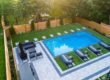
If you’re thinking about adding a swimming pool waterfall to your backyard — congratulations. A waterfall can transform a plain pool into a stunning, relaxing oasis. But before you jump in, it’s smart to understand what influences the waterfall installation price. That’s where the swimming pool waterfall cost comes into play.
This guide walks you through typical cost ranges, the factors that affect the price, the different types of waterfall features, design tips, and how to plan your budget effectively. Let’s go.
Why Homeowners Add a Swimming Pool Waterfall
People choose to add a swimming pool waterfall for a few good reasons:
- Aesthetic and Ambiance: The sight of flowing water creates a luxurious, resort-style atmosphere for your pool. The sound of falling water creates a calming atmosphere, which is nice for relaxation or entertaining.
- Enhanced Water Movement: A waterfall helps move water, which can improve circulation and potentially help pool filtration.
- Property Appeal and Value: A well-designed waterfall adds charm and uniqueness to your backyard. For many buyers, it’s a desirable feature that can make the property stand out.
- Design Versatility: Waterfalls come in many forms, sleek modern looks, natural rock formations, grottos or spillways, giving flexibility to match the style of your home and pool.
With all these upsides, it’s no surprise that many pool owners consider adding a waterfall. But the big question often is: “How much will the swimming pool waterfall cost?”
What Influences the Swimming Pool Waterfall Cost
The cost of a swimming pool waterfall is not a fixed number. Many variables affect the final price. Here are the main ones:
- Waterfall type and design complexity
- Materials used (natural stone, faux rock, pre‑fabricated waterfall kits, concrete, etc.)
- Pool’s existing infrastructure (whether you’re adding to a new pool or retrofitting an existing one)
- Labour, plumbing, and installation requirements
- Additional features (lighting, multiple tiers, integrated landscaping, or rockwork)
- Ongoing costs (electricity for the waterfall pump, water evaporation, maintenance)
Because of these, two waterfalls might look similar but cost very differently depending on what goes behind the scenes.
Let’s dig deeper by looking at typical cost ranges for different waterfall styles.
Typical Cost Ranges: From Basic Waterfalls to Premium Water Features
Here’s a breakdown of typical ranges for various types of waterfall or water‑feature installations in pools. Think of this as a “menu” where you match your vision to a budget.
| Waterfall Type / Style / Size | Typical Price Range (USD, approximate) | Notes / What You Get |
| Basic sheer‑descent / sheet waterfalls (wall‑mounted strip falls, spillways) | ~ $1,000 – $4,000 | Simple installation, often minimal plumbing or alteration required. Great for small pools or subtle water effects. |
| Prefab waterfall kits / small decorative falls | ~ $2,000 – $5,000 | Kits are easier to install; often used when you want a waterfall but have a tighter budget. |
| Mid‑range custom waterfalls (stone or faux‑rock cascade, modest rockwork, 1‑ or 2‑tier falls) | ~ $5,000 – $10,000 | More design flexibility; better aesthetic impact than basic falls; may require modifications to pool structure or plumbing. |
| Larger rock‑based waterfalls / multi‑tier / spillway + rockwork installations | ~ $10,000 – $20,000 | Significant visual impact; often includes custom stonework, heavy labour, maybe reinforcing structure, or adding special pumps. |
| High‑end luxury waterfalls, grotto‑style, integrated features (lights, landscaping, custom rock formations, spa‑spillover + waterfall combo) | $15,000 – $25,000+, sometimes $30,000+ | Statement‑level feature, often with extra plumbing, specialized materials, possibly structural work; ideal for a premium backyard resort‑style pool. |
To give you a frame of reference, one recent survey of pool‑waterfall additions found that most homeowners spend roughly $4,000 to $20,000, with an average around $9,000.
Another source estimates that retrofit waterfall installations, when added to an existing pool, fall in the $4,000 to $15,000 range, depending on how complex the work is.
In short, you can get started with a modest waterfall feature for a few thousand dollars. Or, if you want something dramatic and custom, expect to invest in the mid‑to‑high five‑figure range.
What You Pay For: Key Cost Components
Why does a swimming pool waterfall cost what it does? Let’s break down what goes into the price tag.
1. Materials
- Stone or Rock: Natural stone gives a timeless, organic look but costs more. Faux rock or moulded concrete can mimic the look at a lower cost, but may require less labour and maintenance.
- Concrete or Masonry: Often needed for base structure, spillways, ledges, or support walls.
- Pre‑fabricated Kits: Simpler falls might use prefab components that reduce labour and materials cost.
- Plumbing, Pumps, and Waterproofing: A dedicated waterfall pump is often required, especially for larger waterfalls.
- Extras: Lighting, integrated features (e.g. spa spillover to pool, tanning ledge + waterfall, landscaping) all add to the material and labour cost.
2. Labour and Installation Complexity
- Simple waterfalls may take a few days if the pool structure is ready and plumbing is simple.
- Custom rockwork, structural support, plumbing relocation, and pool‑shell modifications can take a week or more, depending on site conditions.
- If you’re retrofitting an existing pool (rather than building a waterfall during initial pool construction), costs tend to be higher because of drainage, waterproofing, and possible pool draining/refilling.
3. Waterfall Size and Water Flow Requirements
- Larger waterfalls or those with multiple tiers require more water flow. That often means a more powerful dedicated pump, higher cost upfront, and higher operational cost.
- Wide or high waterfalls need more materials (rock, concrete, etc.) and more labour to build a stable structure.
4. Additional Features or Customization
- Lighting (LED, underwater lights, spotlighting)
- Landscaping around the waterfall (rocks, plants, decking)
- Spa‑to‑pool spillover, tanning ledges, grotto‑style cave, or seating areas with a waterfall
- Automation (timers, pumps, remote control)
Each “upgrade” adds to the final cost, but also adds to the value and visual impact of the feature.
5. Operating Costs & Maintenance
- Waterfalls often need a dedicated pump, which runs on electricity. Larger waterfalls with powerful pumps mean higher monthly electricity bills. Some users report that waterfall pumps add $30–$50 per month when active.
- Flowing water means more surface agitation and splash, which can raise evaporation rates. That may mean topping up water more often.
- Maintenance of rockwork, stone, lighting fixtures, pumps, plumbing, over time, natural stone may require periodic cleaning or sealing; mechanical parts need upkeep.
When you think about the swimming pool waterfall cost, you should not only plan for upfront costs but also budget for ongoing expenses.
Which Waterfall Style Fits Which Budget (And Why)
Now that you know cost ranges and what shapes them, here’s how to choose a waterfall style based on your budget and what you want.
Budget‑Friendly & Low‑Maintenance (Entry Level)
- Sheer Descent/Sheet Waterfall: A thin sheet or curtain of water falling from a wall or edge. Clean, modern appearance.
- Prefab Water‑Feature Kits: simple kits that give you a waterfall effect without heavy masonry or rockwork.
Best for: Small pools, modest budgets, homeowners wanting a quick upgrade without big structural changes.
Cost: Around $1,000–$4,000 (installation + basic plumbing).
Mid‑Range: Balanced Looks + Visual Impact
- Custom Rock or Faux‑rock Cascade: Naturalistic rockwork that blends pool edge and waterfall.
- Mid‑Size Waterfall with Simple Rockwork + Small Plumbing Work: Enough presence without going overboard.
Best for: Homeowners seeking beautiful pool aesthetics without going full‑luxury.
Cost: $5,000–$10,000 depending on materials and complexity.
Premium & Luxury: Statement Pool Features
- Luxury Waterfalls: Large rock waterfalls, multi-tier cascades, grotto-style waterfalls, spa spillover waterfalls, along with full landscaping and lighting features, create a stunning and luxurious pool area.
- Additional Water Features: Tanning ledge falls, waterfall integrated into retaining walls, patio/wall spillovers, elevated waterfalls, etc.
Best for: Large backyards, clients wanting resort‑style pool areas, and luxury homes.
Cost: $15,000–$25,000+, sometimes reaching $30,000+ depending on scope.
These scenarios show that whether you want a simple waterfall or an extravagant feature, there are configurations for different budgets and aspirations.
When Does It Make Sense to Install During Pool Construction vs. Retrofit Later
If your pool is yet to be built or is under construction, adding the waterfall feature at that time is often smarter financially. Here’s why:
- Plumbing/drainage work is simpler when the pool shell and plumbing are fresh.
- Structural provisions (for rockwork, weight-bearing, plumbing, pumps) can be built in, reducing extra labour and modifications later.
- Generally, the waterfall cost is lower when bundled with the initial pool build versus adding it later. Some sources estimate a 30–50% cost saving when the waterfall is part of the original pool project rather than a retrofit.
On the other hand, retrofitting an existing pool is still possible. But expect higher costs for draining, re‑plumbing, waterproofing, refilling, and possibly updating the pool structure to support rockwork or other heavy features.
Practical Tips to Manage Swimming Pool Waterfall Costs
If you want a waterfall but also want to watch your budget, here are actionable tips:
- Keep the design simple. Start with a sheet waterfall or prefab kit. A sleek waterfall can still look classy without heavy rockwork.
- Use cost‑effective materials (e.g., faux rock / moulded stone) instead of expensive natural stone. Faux rock gives the look at a lower cost and often requires less maintenance.
- Plan the waterfall installation during pool construction instead of a later retrofit. That saves on labour, plumbing modifications, and avoids draining/refilling the pool.
- Skip non-essential extras initially (lighting, spa‑spillover, tiered rockwork), add later if budget allows. You can always upgrade in phases as budget permits.
- Get multiple quotes from experienced pool contractors, compare what’s included (materials, pump, plumbing, labour, waterproofing). Don’t just compare sticker prices. Ensure apples‑to‑apples comparison.
- Choose an energy‑efficient pump, and run the waterfall only when needed. This reduces electricity cost and extends equipment life.
- Consider the long-term maintenance and operating expenses when planning your budget. Waterfall pumps, water evaporation, and maintenance of rockwork or waterfall surfaces add to long‑term cost.
- If you’re doing a simple waterfall, check if the existing pool pump can handle it (some small sheet‑falls don’t need a dedicated pump). That avoids extra pump cost.
By planning carefully, you can get a waterfall feature you love, without blowing your budget.
Is a Swimming Pool Waterfall Worth the Investment? Pros and Tradeoffs
Before committing, it helps to see both sides, what you gain, and what you trade.
Benefits
- Adds strong visual appeal and a sense of luxury to your pool area.
- Creates a relaxing natural soundscape, water flowing often feels tranquil and spa‑like.
- Enhances water circulation and may help with pool water movement and filtration.
- A waterfall can make your pool and property more attractive to potential buyers.
- Offers design flexibility from modern minimalist to natural rock‑based, to resort‑style grotto pools.
Tradeoffs
- Higher upfront cost, depending on your design, the waterfall cost can be in thousands or tens of thousands.
- Operating costs include dedicated pump electricity, increased water usage, and more maintenance.
- Complex custom rock or grotto waterfalls require structural planning, skilled labour, and sometimes plumbing modifications, which complicates retrofit.
- Maintenance, especially if using natural stone or complex rockwork, requires periodic upkeep (cleaning, sealing, checking for wear/leaks).
- Upgrades like lighting, spa‑spillover, and landscaping can increase cost quickly; without careful planning, the price may exceed the original budget significantly.
In many cases, the visual and experiential benefits outweigh the extra cost, but it’s important to go in with eyes open.
How to Approach Budgeting for Your Pool Waterfall Project
If you’ve decided a waterfall is something you want, here’s a simple step‑by‑step budgeting approach you can follow:
- Define your vision and priorities. Do you want a simple water curtain or a natural rock waterfall? Do you want lighting, a spa connection, landscaping, or just a clean look?
- Decide whether to build a new pool or retrofit the existing pool. When possible, bundle the waterfall with the pool build for cost savings.
- Get three or more detailed quotes from qualified pool contractors. Ask them to break down costs: materials, labour, pump, plumbing, waterproofing, extras (lighting, landscape), and estimate operating costs.
- Plan for operating costs and maintenance. Include waterfall pump electricity, possible increase in water usage, leak prevention, stone sealing or cleaning, and periodic checkups.
- Use phased upgrades if needed. Start with a basic waterfall now; add lighting, rockwork, or landscaping later. This helps manage cash flow and avoid overspending.
- Choose materials and design with maintenance in mind. Faux rock or moulded materials may reduce maintenance compared to natural rock, especially useful if you want lower upkeep.
- Allocate a buffer/contingency. For retrofits, unforeseen plumbing modifications, structural adjustments, permit costs (where applicable), or landscaping surprises.
By following this process, you approach waterfall installation with clarity and preparedness, reducing surprises and ensuring you get what you want within a realistic budget.
Questions to Ask Before Hiring a Contractor for Your Waterfall Project
When you reach out to landscape designers or pool contractors to build your waterfall, these are the questions you should ask to make sure you get clarity and avoid surprises:
- Is the quote a turnkey price (materials + labour + plumbing + pump + waterproofing)?
- If retrofitting, will the pool need to be drained or emptied? Will there be structural work or shell modification?
- What kind of materials are used: natural stone, faux rock, concrete, prefab kit? What’s the maintenance implication of each?
- Will you need a dedicated waterfall pump? What will be the expected electricity usage/month?
- How will the waterfall integrate with the existing pool plumbing and filtration system?
- Are there options to add lighting, landscaping, and automation later? What will be the cost of upgrades?
- What maintenance is required (cleaning, sealing, checking for leaks)? Is this included or separate?
- Is there a timeline for installation, and how long before the pool can be used again (if retrofit)?
- Are there any guarantees or warranties for workmanship, materials, pumps, or waterproofing?
Good answers to these give you a strong foundation for making informed decisions.
Invest in a Backyard with a Stunning Swimming Pool Waterfall
At Luxury Pools, we specialize in designing and installing custom swimming pools in Toronto with stunning waterfalls that enhance both beauty and value. Whether you’re envisioning a tranquil sheet waterfall or a grand multi-tier cascade, our expert team will bring your vision to life.
Get in touch with us at info@landcon.ca or call us at 416.504.5263 for a free consultation and let us help you create the ultimate backyard oasis. Start planning your dream swimming pool in Toronto now!
Also Read:
12 Unconventional Waterfall Designs to Elevate Your Backyard Swimming Pool